

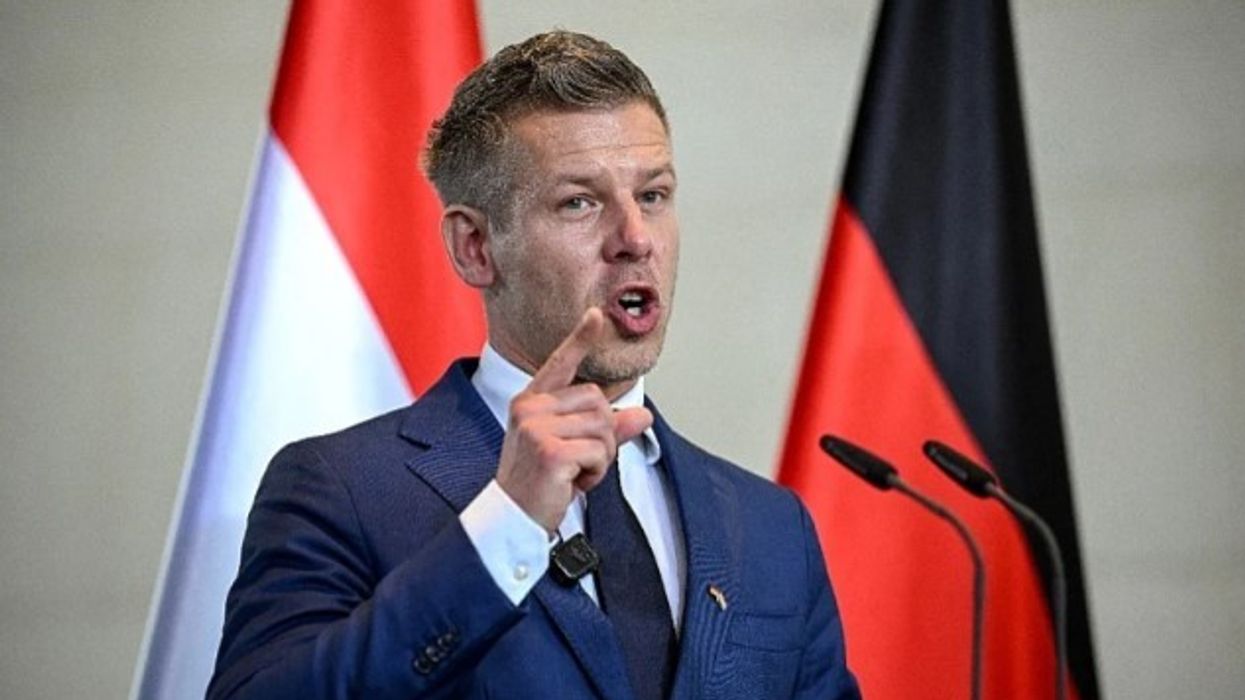
Although the departure of former Prime Minister Viktor Orban was expected to unblock Ukraine’s path to the European Union, the new Hungarian government has restored obstacles to Kiev’s advancement in the European integration process.
Official Budapest opposes the acceleration of Ukraine’s negotiations with the EU, arguing that Kiev should not be treated preferentially compared to the Western Balkan countries, which have been awaiting membership for years and have implemented extensive reforms.
After the change of power in Hungary and the arrival of the reformist Peter Magyar at the head of the government, there was optimism in Brussels and Kiev that the blockade that Orban had imposed on the accession process of Ukraine would be lifted. In June, the first group of negotiation chapters was opened, and later also the one on foreign and security policy.
However, according to the Financial Times, last week Hungary blocked the opening of two other groups of chapters, related to the common market, as well as economic and social policies. This move shows that the new government has not completely changed its approach to Ukraine’s integration.
The Hungarian government spokesman stated that Budapest opposes any attempt at an “accelerated path” for Ukraine towards the EU. According to him, it is not fair for Ukraine to receive more favorable treatment than the Western Balkan countries, which have met strict membership criteria for many years, even decades.
Prime Minister Peter Magyar has also repeatedly expressed opposition to accelerating Ukraine’s integration process. So far, he has not held the announced meeting with Ukrainian President Volodymyr Zelensky.
On the other hand, the European Commission estimates that Ukraine has met the formal conditions for opening all six groups of negotiation chapters. Some European diplomats consider the Hungarian blockade as a temporary obstacle, while other leaders, including Irish Prime Minister Micheal Martin, demand that all remaining chapters for Ukraine be opened by the end of this year. /Telegraph/